October 19, 2026
Bicycle Accident Lawyer Advice for Rainy Weather Bicycle Crashes
By @martinumgb408
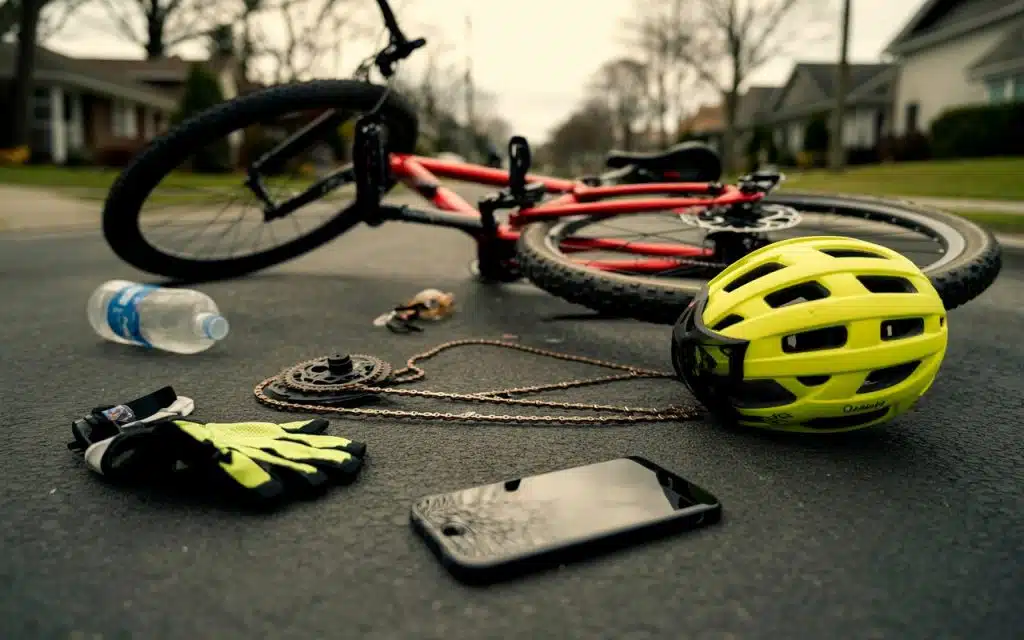
Rain changes a bicycle crash in two ways at once. It makes the fall more likely, and it makes the aftermath harder to sort out. Roads get slick, paint stripes turn greasy, visibility drops, and drivers often react a split second too late. Then, after the rider is hurt, the same bad weather that caused the crash starts obscuring the evidence. Tire marks fade. Puddles wash away debris. Witnesses leave quickly. Cameras fog up. A driver who was following too closely may later insist the cyclist simply slipped.
That is why rainy weather bicycle cases deserve a different level of care from the start. The legal issues are often more nuanced than people expect. A wet roadway does not excuse a careless motorist. A rider who lost traction does not automatically lose the right to recover damages. And a city or property owner may bear responsibility if drainage, road maintenance, or hazardous surface conditions played a meaningful role.
A seasoned Bicycle Accident Lawyer will usually look at a rain crash with two questions in mind. First, what actually happened in those few seconds before impact? Second, how do you preserve enough reliable proof to show fault once the weather and time begin erasing the scene?
Rain does not erase negligence
One of the most persistent myths in bicycle injury cases is that bad weather turns every collision into an unavoidable accident. That is not how these claims are evaluated. Rain requires more caution, not less. Drivers are expected to reduce speed, increase following distance, use headlights where required, and account for the longer stopping distances that come with wet pavement. Cyclists also have duties, of course, but the standard remains reasonableness under the conditions.
That point matters because insurance carriers often lean hard on the weather. They will say visibility was poor, roads were slick, and everyone was doing the best they could. Sometimes that is partly true. It still does not answer whether a driver passed too closely, opened a door into a bike lane, turned across a cyclist’s path, or braked so late that a collision became inevitable.
Rain can also amplify the consequences of ordinary driver mistakes. A motorist who glances at a phone for two seconds in dry weather may recover in time. In rain, those same two seconds may be enough to miss a cyclist entirely. A driver who follows ten feet too close at an intersection may stop safely on a clear day, but slide straight into a rider once the light changes. The weather is part of the story, but it is not the whole story.
From a legal standpoint, the right question is usually whether each person adjusted appropriately to the conditions. That is a fact-specific inquiry. It depends on speed, traffic, lighting, lane position, road design, vehicle spacing, equipment, and the surface itself. Good advocacy lives in those details.
How rainy weather bicycle crashes usually happen
Some patterns show up again and again in wet-weather cycling claims. Painted crosswalks, metal utility covers, bridge decks, trolley tracks, fallen leaves, and diesel residue become far more dangerous when wet. So do downhill approaches to intersections, especially where drainage is poor and braking zones collect grime.
A common scenario involves a driver turning right across a cyclist’s path at an intersection. In dry weather, the rider may have room to brake or swerve. In rain, the front tire can wash out with even moderate braking pressure. Another frequent case involves rear-end impacts near stop signs or lights. Drivers often underestimate how much longer it takes to stop on a wet road, especially if they are also watching windshield glare or trying to clear a fogged windshield.
Then there are crashes with no direct vehicle contact. Those can be some of the most contested cases. Imagine a rider in a marked bike lane when a car drifts over the line during a storm. The cyclist swerves, hits a slick patch, and goes down hard without ever touching the vehicle. The driver keeps going. People sometimes assume there is no claim because there was no contact. That is not necessarily true. If the driver’s conduct forced evasive action, liability may still exist. These cases simply require stronger proof, often through witnesses, video, scene reconstruction, or prompt statements.
Single-bike falls in rain can also Bicycle Accident Lawyer support claims under the right circumstances. If a roadway had a known drainage defect, a sunken utility cover, polished thermoplastic markings placed in a hazardous manner, or an unaddressed accumulation of mud or oil, the entity responsible for maintenance may come into play. Those cases are harder and often subject to special notice rules and shorter deadlines, but they should not be dismissed out of hand.
The first few hours matter more than most riders realize
In a dry-weather crash, physical evidence may last long enough for a routine investigation. In rain, you often do not get that luxury. Water changes the scene quickly. Skid marks become faint or vanish. A driver’s tire spray can move debris. A damaged bicycle left outside may begin rusting or washing clean. Clothing dries, then loses its obvious staining pattern. Even a rider’s memory may blur once shock, medication, and exhaustion set in.
That is why early case handling matters. If you are physically able, or if someone can help you, preserve as much as possible before the scene changes again.
- Photograph the bicycle, helmet, clothing, roadway, puddles, drains, lane markings, and any vehicle involved from multiple angles.
- Save weather information, including the time of rainfall, visibility, and any severe weather alerts in the area.
- Get witness names and phone numbers before people leave.
- Seek prompt medical care and describe exactly how the crash happened and where you hurt.
- Do not repair, wash, or discard damaged gear until it has been documented.
That short list may look simple, but each item carries weight. A photograph of a shiny painted bike lane after rainfall may support an argument about surface hazards. A time-stamped image of a clogged drain at the curb can matter if hydroplaning or standing water contributed to the fall. Wet clothing and road rash patterns can help explain movement and point of impact. Even a rider’s front light setting can become relevant if a driver later claims the cyclist was invisible.
One issue I have seen repeatedly is the well-meaning family member who cleans everything up. They wash the jacket, wipe off the bike, and toss the cracked helmet. That can remove useful evidence. Damaged gear often tells a cleaner story than memory does.
Medical treatment is not just about healing, it is also about proof
Rainy weather bicycle crashes often produce a messy injury picture. A rider may have the obvious impact injuries, broken collarbone, wrist fracture, hip bruising, but also the less visible consequences of a sudden slide: shoulder labrum damage, knee instability, a concussion, deep muscle trauma, or a lumbar disc flare that appears days later. Cold rain and adrenaline can mask pain at the scene. Riders often think they are lucky, only to wake up the next morning unable to turn their neck or bear weight.
This matters because insurers love gaps and inconsistencies. If you wait a week to get checked, they may argue your injuries were minor or unrelated. If you tell urgent care only about road rash and mention headaches later, they may cast doubt on the head injury. None of that means delayed symptoms are fake. It means the record must be built carefully.
A Bicycle Accident Lawyer usually wants the medical story to be accurate, timely, and complete. That means telling providers what happened in plain terms. Say it was raining. Say whether you slid on wet paint, were struck by a turning car, or went down avoiding an encroaching vehicle. Describe every area of pain, even if it feels secondary. Mention dizziness, numbness, blurred vision, trouble sleeping, and changes in grip strength. Those details can seem minor on day one and become central later.
There is also a practical damages issue. Cyclists are often active people, and active people tend to push recovery too fast. They return to commuting, indoor training, or long walks before the tissue is ready. Then the pain lingers, and the insurer argues they could not have been badly hurt because they resumed normal life so quickly. The better approach is honest treatment and a realistic recovery plan. Not dramatic, not understated, just accurate.
Fault in the rain is rarely as simple as the police report
Police reports help, but in wet-weather bicycle cases they are not the final word. Officers usually arrive after the critical seconds are over. In a storm, they may focus on clearing the scene and documenting only the broad outlines. That is understandable. It also leaves room for oversimplification.
A report might say the cyclist “lost control on wet pavement.” That statement may be true and still incomplete. Why did the rider lose control? Were they cut off by a turning SUV? Did a delivery van stop in the bike lane, forcing a sharp angle over slick paint? Did a pothole fill with water and become invisible? Was the driver traveling too fast for the conditions? Those are legal questions as much as factual ones.
Comparative fault also comes up frequently. Maybe the cyclist was descending too quickly for the rain. Maybe the bike’s tires were badly worn. Maybe the rider was using an outer lane position a driver claims was unsafe. Depending on the state, partial fault can reduce recovery, but it does not automatically eliminate it. This is one reason broad statements made at the scene can do so much damage. A dazed rider who says, “I think I just slipped,” may only mean they do not fully understand what happened yet. An insurer may later treat that sentence like a confession.
Careful investigation can change the picture. Video from a nearby storefront may show the driver began a turn before the cyclist reached the intersection. Data from a phone, bike computer, or vehicle event recorder may narrow speed and timing. Weather records may show the rain was moderate enough that a prudent driver should have slowed substantially. Roadway photographs taken the same day may reveal slick surface treatments or poor drainage patterns that remain relevant even after the puddles are gone.
Insurance companies often weaponize the weather
Rain gives insurers a ready-made narrative. They may say the crash was inevitable, the cyclist assumed the risk by riding in bad weather, or no driver could have avoided the incident. They may point to the rider’s clothing color, tire tread, braking choice, or route selection. If there was no vehicle contact, they may deny that any insured driver caused the fall at all.
That does not mean every rainy weather claim is a strong claim. Some are weak, and a good lawyer should say so early. But weather-based defenses are often overstated. Experienced case handling means separating what is genuinely unfavorable from what merely sounds unfavorable.
For example, a rider wearing dark clothing at dusk in light rain may still have a compelling claim if they had functioning lights and a driver turned across a marked bike crossing. A cyclist who slipped while braking may still recover if the braking was a reasonable response to a driver’s sudden and unsafe lane movement. A rider in a puddle-covered bike lane may still have a premises or roadway defect claim if standing water regularly concealed a dangerous drop-off or broken grate.
The issue is not whether rain was involved. It is whether another party failed to act reasonably in light of it.
When roadway design and maintenance become part of the case
Some rainy weather bicycle crashes begin with driver negligence and end there. Others expose infrastructure problems that make cycling much more dangerous than it needs to be. Drainage is a major one. If a bike lane sits at the low edge of the street, collects runoff, and funnels riders into standing water every storm, that is not just unpleasant. It can hide potholes, pull tires toward clogged grates, and force sudden merges into traffic.
Surface treatments matter too. Certain painted markings and thermoplastic materials become noticeably slick when wet, especially where they are worn smooth by heavy traffic. Utility covers placed in travel lines can turn into skating surfaces in rain. Steel bridge joints, rail tracks, and polished concrete can all become hazard multipliers. Maintenance failures such as leaf buildup, mud washout, and unrepaired pavement seams often become much more dangerous once the water starts moving over them.
Claims against public entities and contractors are usually more technical than ordinary auto cases. They often involve immunity rules, notice requirements, maintenance records, design standards, and short filing deadlines. The injured rider may have a valid claim and still lose leverage if those deadlines are missed. That is one of the clearest situations where speaking promptly with a Bicycle Accident Lawyer is worth it.
The bicycle itself can become a silent witness
People often think only the car matters. In practice, the bicycle can tell an important story. Tire condition may help explain traction. Brake pad wear can show whether stopping power was compromised. Impact Bicycle Accident Lawyer marks on rims, bars, pedals, and frame tubes can reveal the direction of a hit or the sequence of a slide. Bent dropouts, scraped bar tape, and chainring gouges can distinguish between a low-side skid and a side-impact collision.
This is particularly important where the driver says there was no contact. If the right brake hood is crushed inward and there is matching paint transfer, that may support a side-swipe account. If the rear wheel has fresh lateral damage at axle height, it may align with a bumper strike rather than a simple washout. None of this should be overclaimed, but good physical inspection often tightens a case considerably.
For that reason, damaged bikes should be stored carefully and left unaltered until photographed and, if needed, professionally inspected. The same goes for helmets, lights, bags, shoes, and even glasses. A cracked lens or scraped cleat can become part of the reconstruction.
What to say, and what not to say, after the crash
The hardest post-crash conversations are often the earliest ones. You may get a call from an insurance adjuster while still sorting out x-rays, transportation, and work absences. The adjuster may sound sympathetic and ask for “just the basics.” In a rain case, those basics can lock you into a version of events before you know the full facts.
A safer approach is straightforward and limited.
- Confirm your identity, the date and location of the crash, and the involved parties if known.
- Decline recorded statements until you understand your injuries and the facts more clearly.
- Avoid guessing about speed, visibility, fault, or whether your injuries are minor.
- Do not agree that the weather alone caused the crash unless you are certain that is true.
- Refer detailed questions to counsel if you have retained a lawyer.
This is not about being evasive. It is about not filling gaps with speculation. Rain crashes are fast, chaotic, and hard to perceive cleanly. People remember fragments. They infer the rest. Insurance representatives know that. Once a speculative sentence enters the file, it can shape the entire negotiation.
Social media creates a similar problem. A photo of your muddy bike with a joke about “eating it in the rain” may feel harmless. An insurer may later present it as an admission that no driver caused the fall. Context gets stripped away quickly.
Damages in a rainy weather bicycle case can run deeper than the ER bill
Emergency care is only the start. A serious bicycle crash can interrupt work, commuting, childcare, sleep, exercise, and confidence on the road. For riders who depend on bikes for daily transportation, the loss is not abstract. It is immediate. They need replacement travel, repairs or a new bike, and time to restore function. If the rider is a tradesperson, nurse, courier, teacher, or anyone whose job depends on movement and reliability, even a moderate orthopedic injury can create real income loss.
There are also costs people tend to overlook. Custom bikes and components are expensive to replace. A commuter setup with lights, racks, weather gear, computer, lock, and helmet can run into the thousands even before frame damage is assessed. Medical appointments consume time and mileage. Physical therapy may continue for months. A shoulder injury that never quite settles can change sleep, lifting capacity, and recreation long after the road rash has healed.
Rain-related cases can also carry a stronger pain narrative than dry-weather falls because the mechanics are often violent and uncontrolled. Wet slides produce twisting, awkward landings. Riders tense up, lose traction suddenly, and hit hard. That can mean broad soft-tissue injury even where imaging looks modest.
Choosing legal help for this kind of claim
Not every personal injury lawyer understands bicycle dynamics, roadway design, or how wet conditions affect crash reconstruction. That does not mean you need someone who only handles bike cases, but it does mean experience matters. A lawyer who treats the event like a generic fender-bender may miss the role of lane markings, drainage, visibility angles, evasive braking, or no-contact causation.
A useful early consultation should sound practical. The lawyer should ask where the rider was positioned, what the tires encountered, how the rain affected sight lines, whether there were bike facilities, whether the bicycle has been preserved, and whether any public entity may be involved. They should talk about deadlines, comparative fault, medical documentation, and the likely evidentiary weaknesses, not just promise a large payout.
Good rainy weather bicycle cases are built from specifics. The angle of the turn. The sheen of the paint. The clogged curb inlet twenty feet uphill. The witness who saw the SUV edge into the lane. The urgent care note documenting neck pain the same night. The unrepaired bike showing contact on the rear quarter. Those details are where liability becomes legible.
When the weather turns bad, crashes happen fast and stories get muddy even faster. The legal task is to clear that fog before it hardens into an insurer’s version of events. For injured riders, that usually starts with prompt medical care, careful preservation of what the rain has not yet washed away, and advice from a Bicycle Accident Lawyer who understands that wet pavement changes the facts, but not the obligation to ride and drive with care.
CGH Injury Lawyers
2701 Lawrence St Suite 201
Denver, CO 80205, United States
Phone: +1 720-669-8062
FAQ About Bicycle Accident Lawyer
Who is at fault if a car hits a bicycle?
Fault depends on the evidence and the traffic rules that applied to the collision. A driver, cyclist, or another party may share responsibility. Police reports, witness accounts, video, and the physical evidence can help establish what happened. A collision with a car does not automatically determine legal fault.
Can you sue someone for hitting you on a bike?
You may have a claim when another person's negligent conduct causes your injuries and losses. The available evidence, applicable deadlines, insurance coverage, and any shared fault affect your options. A lawyer can review the circumstances and explain whether an insurance claim or lawsuit is appropriate; compensation is not guaranteed.
What percentage does an injury lawyer usually take?
There is no single percentage that applies to every injury case. Many lawyers use a contingency fee based on a share of the recovery, with the terms stated in a written agreement. Ask how the percentage is calculated, whether it changes during litigation, and how case expenses are handled before signing.
❧