September 23, 2026
Denver Bicycle Accident Lawyer for Cases Involving Reckless Drivers
By @martinumgb408

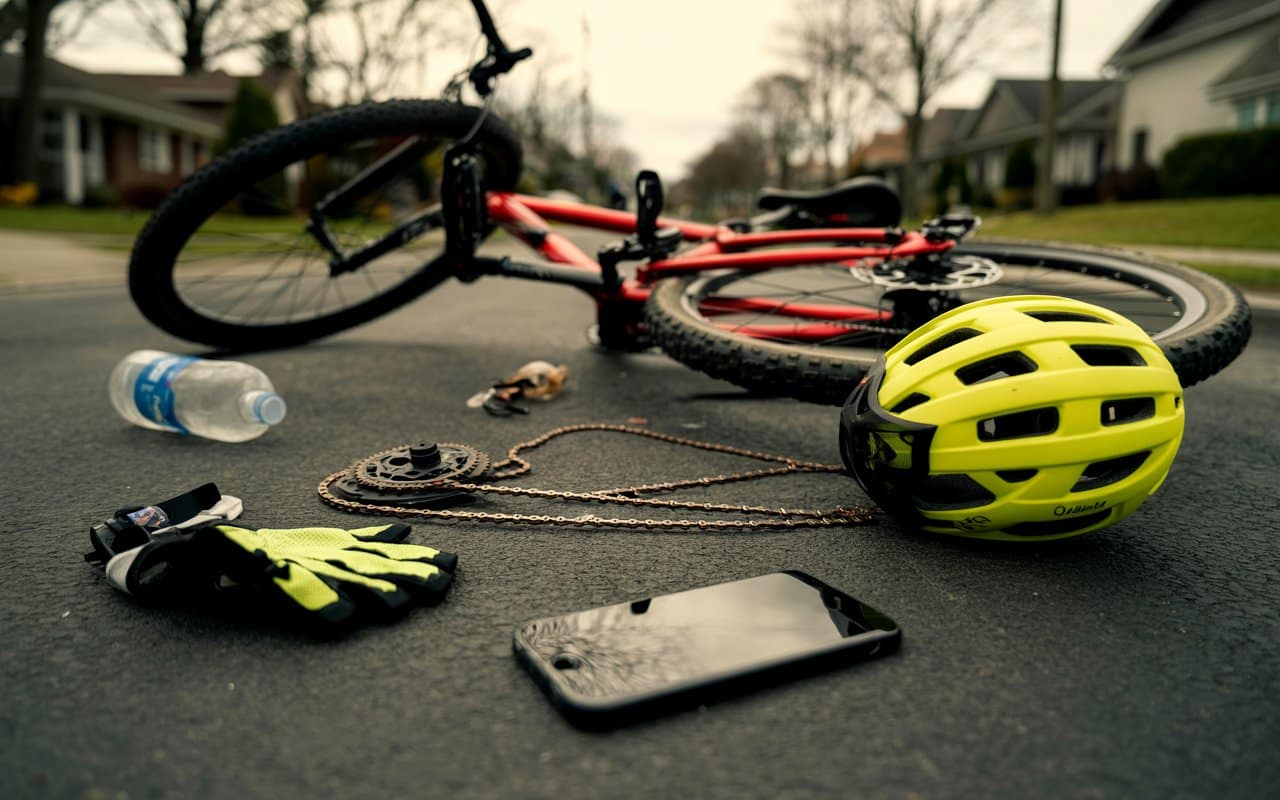
A bicycle crash with a reckless driver rarely feels like a simple traffic incident. For the rider, it is often a violent interruption of ordinary life, one that leaves behind more than road rash and a damaged frame. There may be a concussion that lingers for months, a collarbone that requires surgery, a missed season of work, or a new fear of riding through intersections that once felt routine. In Denver, where cycling is part of daily commuting, recreation, and fitness culture, these cases have a particular texture. They happen on busy downtown corridors, in fast-changing neighborhoods, near trail crossings, and on roads where drivers often underestimate how vulnerable a cyclist really is.
When reckless driving is involved, the legal issues sharpen quickly. These are not usually close calls about who had a better line of sight or whether both parties simply misjudged timing. Recklessness points to conduct that goes beyond ordinary carelessness. A driver may be speeding through a city street, texting while turning right, drifting into a bike lane, running a red light, passing too closely, opening a car door into traffic, or driving under the influence. Those facts matter because they Bicycle Accident Lawyer Denver shape liability, insurance negotiations, and the value of the claim.
A skilled Bicycle Accident Lawyer Denver riders trust will look at the crash as both a legal event and a practical one. The case is not just about what happened in the seconds before impact. It is about what medical treatment now looks like, whether the client can return to work, how permanent the injuries may be, and whether the insurance company is trying to force a quick settlement before the full picture becomes clear.
Why reckless driving changes the case
Not every negligent driver is reckless, but the distinction can matter in a bicycle injury claim. A momentary lapse behind the wheel can still cause severe injury, but reckless conduct often shows a stronger pattern of disregard for safety. In real case work, that difference shapes the tone of negotiations from the start.
Take a common Denver scenario: a driver rushes to beat a yellow light at a downtown intersection while glancing at a phone. A cyclist, traveling lawfully through the crossing, is struck broadside. The force throws the rider into the pavement, leading to a traumatic brain injury and fractures to the wrist and hip. Compare that to a lower-speed incident in which a driver edges forward and misjudges the cyclist’s approach. Both may support a claim, but the first one presents a more compelling liability narrative because the conduct itself is more dangerous, easier to explain to a jury, and harder for an insurer to excuse.
Recklessness can also affect how evidence is gathered. Skid marks, event data from the vehicle, surveillance footage, black box information, toxicology results, and witness statements become especially important. A lawyer handling these cases knows that the earliest days often decide whether that evidence is preserved or lost.
Denver streets create their own risks for cyclists
Denver is a bike-friendly city in many respects, but that does not make it a safe city in every corridor or at every hour. Riders deal with a patchwork of protected lanes, painted lanes, neighborhood bikeways, multi-use trails, construction zones, and traffic patterns that change block by block. A person can move from a relatively calm route into a confusing, high-conflict intersection in less than a minute.
That matters because reckless drivers exploit uncertainty. Speeding is more dangerous where road design already leaves little margin for error. A distracted turn is more harmful where a bike lane disappears near an intersection. A close pass becomes catastrophic where parked cars force a cyclist farther into the lane. In Denver, cases often arise around right hook collisions, left-turn crashes, dooring incidents in dense urban areas, trail crossing conflicts, and impacts caused by drivers who do not yield while entering or exiting parking areas.
Altitude and weather add another layer. Dry pavement can change to ice or slush, especially during shoulder seasons. Visibility can be harsh at sunrise and sunset. None of that excuses reckless driving. It does, however, affect how a lawyer frames reasonable conduct under the circumstances. A driver who speeds through a snowy corridor or makes an aggressive pass in poor visibility is not just negligent in the abstract. The driver is ignoring obvious risk.
What a lawyer looks for in the first week after the crash
The first week after a bicycle collision is usually chaotic for the injured rider. Medical care takes priority, as it should. Yet legally, those first several days are often when the strongest evidence can still be secured.
A lawyer will want to know whether law enforcement responded, whether body camera footage exists, whether nearby businesses had working surveillance systems, and whether the driver made admissions at the scene. Many cyclists do not realize how often good footage disappears. Some systems overwrite video within days. Witnesses become harder to locate. Vehicles get repaired. A damaged bike gets moved, fixed, or discarded before it is photographed properly.
There is also a practical issue that many injured riders underestimate: medical records do not tell the whole story unless someone helps connect the dots. An emergency department note Bicycle Accident Lawyer Denver may capture fractures and visible trauma, but it may not reflect the rider’s dizziness, light sensitivity, inability to focus at work, or anxiety riding in traffic afterward. Those details matter. They show the day-to-day human impact of the crash, and they often explain why a quick insurance offer falls far short of the case’s real value.
The injuries that tend to shape bicycle accident claims
Bicycle cases are often serious because the rider has almost no physical protection. Even with a helmet and proper gear, the body absorbs force directly. Some injuries resolve with time. Others alter a person’s life for years.
Head injuries are among the most misunderstood. A rider may walk away from the scene and still develop significant cognitive symptoms later. Memory issues, headaches, irritability, and concentration problems can derail work long after the cuts and bruises heal. Insurance companies sometimes minimize these injuries when imaging appears normal. Experienced counsel knows that normal scans do not automatically mean normal functioning.
Orthopedic injuries also drive many claims. Broken wrists, clavicles, shoulders, and hips are common in falls and side-impact collisions. A cyclist who lands on an outstretched hand may need surgery and still lose grip strength or range of motion. For someone who works with tools, performs surgery, serves tables, or types all day, that loss is not minor. It translates into reduced earning capacity, altered duties, or forced career changes.
Then there are the injuries that do not photograph well but still disrupt life. Deep soft tissue damage, nerve irritation, facial scarring, sleep disturbances, and psychological trauma can all become significant components of a claim. Lawyers who handle these cases seriously do not treat such injuries as secondary. They ask how the client lives now compared with before the crash, and they build proof around those differences.
Reckless drivers and the defenses insurers like to raise
Insurance carriers defending reckless driver cases often respond in a predictable way. They rarely open with an admission that their insured acted dangerously. Instead, they probe for ways to shift blame to the cyclist, reduce the severity of the injury narrative, or argue that the rider accepted the ordinary risks of urban cycling.
One familiar tactic is to question visibility. The insurer may suggest the cyclist wore dark clothing, moved too quickly through the intersection, or rode in a position the driver could not anticipate. Sometimes that argument has traction if the facts are genuinely mixed. Just as often, it is a dressed-up distraction from the real problem, such as a driver turning across a marked bike lane without looking.
Another defense centers on road rule confusion. Adjusters may imply that bicycles are somehow less entitled to lane space or less predictable under traffic laws. In practice, that often rests on stereotypes rather than facts. Denver cyclists have legal rights on the road, and a lawyer handling the case should be able to explain precisely how those rights apply to the specific crash configuration.
A third defense focuses on the rider’s medical history. If the cyclist had prior neck pain, earlier orthopedic issues, or preexisting headaches, the insurer may try to pin current symptoms on old problems. That is where careful medical analysis matters. The law does not excuse a reckless driver simply because the injured person was not physically perfect before the crash. What matters is whether the collision caused new harm or worsened an existing condition.
The value of a case depends on more than hospital bills
People often ask what a bicycle crash case is worth, but there is no honest flat answer. Two riders can have similar fractures and very different outcomes. One may heal well and return to work within six weeks. Another may need surgery, develop chronic pain, lose contract income, and give up a daily commute by bike that once anchored health and routine. Those are not small differences.
Case value typically grows from a combination of factors: liability strength, medical expenses, future treatment needs, lost wages, loss of earning capacity, pain and suffering, permanent impairment, visible scarring, and how clearly those harms can be documented. Reckless conduct by the driver can increase leverage because it makes the liability story stronger and often makes a jury more receptive to the rider’s losses.
That said, stronger liability does not always mean easy resolution. Some serious cases involve limited insurance coverage. A reckless driver may carry only modest liability limits, which creates a difficult strategic question. The claim may be worth far more than the available policy, but collecting beyond that can be challenging unless there are additional sources of recovery. Those sources might include umbrella coverage, employer liability if the driver was working, or uninsured or underinsured motorist coverage available to the cyclist through an auto policy in the household.
These coverage questions are technical, but they are not minor. In some cases, they determine whether the injured rider can fund future care or absorb those costs personally.
What to do after a Denver bicycle crash with a reckless driver
The most important step is getting proper medical attention. Even riders who feel lucky to be standing can have hidden injuries, especially head trauma and internal orthopedic damage. After that, practical case protection matters.
- Preserve the bicycle, helmet, clothing, lights, and any gear involved in the collision.
- Photograph injuries, the roadway, the bike, and any vehicle damage as soon as reasonably possible.
- Avoid giving recorded statements to the driver’s insurer before understanding the injuries and legal issues.
- Follow through with medical care and report symptoms consistently, even if they seem minor at first.
- Speak with a lawyer early enough to preserve video, witness information, and vehicle evidence.
Those five steps do not replace legal advice tailored to a specific case, but they often make the difference between a claim supported by concrete proof and one forced to rely on memory alone.
How fault works when the cyclist may have made a mistake too
Real cases are not always tidy. A cyclist may have been riding assertively, filtering through traffic, moving slightly above a posted trail speed, or wearing earbuds. None of that automatically bars recovery. The real issue is whether the rider’s conduct legally contributed to the crash and, if so, to what extent.
This is where experienced judgment matters. Some lawyers overpromise at intake and pretend every case is clean. That does not help the client. A better approach is to evaluate fault honestly, early, and with enough detail to anticipate the insurer’s position. If the driver was intoxicated, speeding, or blatantly failed to yield, a minor criticism of the cyclist may not carry much weight. On the other hand, if the rider entered an intersection against the signal, the case may still be viable but requires a more careful strategy and more measured expectations.
Cases involving partial fault often turn on specifics. Seconds matter. Sight lines matter. Whether a bike light was functioning may matter. Whether the driver had a clear chance to avoid impact may matter a great deal. A Bicycle Accident Lawyer Denver clients choose for serious injury litigation should be comfortable living in those details rather than glossing over them.
Settlement pressure arrives early, often before the injuries are clear
One pattern shows up repeatedly in bicycle injury claims. The insurer makes contact fast, sounds sympathetic, and signals that it wants to resolve matters promptly. For riders facing emergency room bills, missed paychecks, and uncertainty, that can be tempting. Sometimes the offer even feels substantial in the moment.
The problem is timing. A claim is often at its least valuable before treatment is complete. Early on, nobody knows whether the concussion symptoms will persist, whether the shoulder will heal without surgery, whether the rider will develop chronic pain, or whether scar revision treatment will be needed later. A quick release signed in that window can close the case before the true cost is known.
There is a balance to strike here. Waiting forever is not always wise. Some clients need resolution, and not every injury requires a long treatment horizon. But settling before the facts mature is one of the most expensive mistakes an injured cyclist can make. Good counsel helps the client distinguish impatience from strategy.
When the crash involves a commercial vehicle or rideshare driver
A bicycle collision with a delivery van, contractor truck, or rideshare vehicle often becomes more complex than a standard private-driver claim. The legal questions expand beyond who ran the light or made the unsafe turn. It becomes necessary to determine whether the driver was working at the time, what insurance layers apply, whether a company’s maintenance or training practices played a role, and whether electronic data can place the vehicle more precisely than the police report does.
Commercial cases can be stronger in one sense because there may be larger policies and better documentation. They can also be harder fought because corporate insurers and defense counsel tend to move quickly. Preservation letters, driver logs, dispatch records, and onboard systems may become relevant early. When a reckless commercial driver injures a cyclist, delay can be costly.
Rideshare cases have their own complications. Coverage may depend on whether the app was on, whether a ride had been accepted, and which policy layer was active at the time of impact. Those are not impossible issues, but they are exactly the kind of problems that punish a casual or wait-and-see approach.
Choosing the right lawyer for a serious bicycle injury case
Not every personal injury lawyer handles bicycle cases with the same level of fluency. That matters more than many clients realize. Bicycle collisions involve unique road dynamics, different injury patterns, and defenses rooted in driver assumptions about cyclists. A lawyer who does not understand urban riding, lane positioning, common crash mechanisms, and cycling culture may miss facts that are obvious to someone more experienced.
A strong fit usually shows up in the questions the lawyer asks. Do they want to see the route and crash location? Do they understand the difference between a right hook and a left cross? Do they ask about helmet damage, bike computer data, Strava records, witness cyclists, and trail or corridor design? Do they talk realistically about insurance limits, treatment timing, and litigation risk, or do they simply promise a big number?
The best attorney for the job is not always the one with the loudest marketing. In serious injury work, preparation beats branding. The rider needs someone who can investigate quickly, negotiate from evidence rather than indignation, and try the case if the insurer refuses to act reasonably.
Why these cases matter beyond the individual claim
A reckless-driver bicycle case is first about the injured person, but it also sits inside a larger public safety reality. Denver has invested heavily in cycling infrastructure, and many residents rely on bikes as transportation, not just recreation. When drivers treat cyclists as obstacles instead of road users with equal rights, the harm spreads outward. People stop riding to work. Parents become less willing to let teenagers bike independently. Communities lose some of the health, environmental, and congestion benefits that more cycling brings.
Civil claims do not fix every traffic safety problem. They do, however, force accountability where it belongs. They assign a cost to dangerous conduct, preserve evidence of how crashes happen, and give injured riders a means to recover what they have lost. For someone coping with months of treatment, pain, and financial strain, that accountability is not abstract. It is often the only available path toward rebuilding routine, stability, and confidence.
A Denver bicycle crash involving a reckless driver deserves careful legal handling because the injuries are often serious, the defenses are often predictable, and the evidence can disappear fast. The right lawyer will not treat the case like a generic auto claim with a bike swapped in. They will understand the mechanics of the collision, the practical realities of recovery, and the pressure points that matter when insurers try to minimize what happened. That combination, legal precision paired with real-world perspective, is what gives an injured cyclist the strongest chance at a fair result.
CGH Injury Lawyers
Address: 2701 Lawrence St Ste 201, Denver, CO 80205
Phone number: +17206698062
FAQ About Bicycle Accident Lawyer Denver
How much compensation for a cycling accident?
UK bicycle accident compensation payouts typically range from £2,000 for minor soft-tissue injuries to over £200,000 for severe, life-altering trauma, calculated using Cycle Accident Compensation Calculator tools.
Who is at fault if a car hits a bicycle?
Fault in a car-and-bicycle collision depends on the specific actions of both parties and whether either person was negligent by breaking traffic laws.
What percentage do accident attorneys usually take?
Accident attorneys usually take 33% to 40% of your final settlement or court award.
❧